Table of Contents
You’re staring at that bland mirror frame or dated kitchen backsplash, knowing a simple border could transform the entire space. The promise of peel-and-stick solutions sounds perfect—no mess, no tools, just instant upgrade. But when I unboxed the SICCOMA Black PVC Wallpaper Border Trim, I discovered the reality behind those appealing product photos isn’t quite so simple.
After applying this trim across multiple surfaces in my own home—from bathroom mirrors to kitchen cabinets—I’ve identified exactly where this product delivers value and where it falls short. The truth about adhesive strength, surface compatibility, and long-term durability might surprise you if you’re planning a DIY refresh.
Key Takeaways
- Installation is genuinely straightforward but requires perfectly clean, smooth surfaces to prevent peeling
- The antique black finish looks more expensive than its price tag suggests when applied correctly
- Material flexibility makes curved applications possible but requires patience and careful handling
- Adhesion strength varies dramatically between different surface types, even when all appear smooth
- This represents excellent value for temporary or medium-term solutions but may disappoint for permanent installations
Quick Verdict
Best for: Renters, budget-conscious DIYers, temporary decor updates, and low-moisture applications where professional results aren’t critical.
Not ideal for: High-humidity bathrooms, textured surfaces, permanent installations, or perfectionists who demand flawless edges.
Core strengths: Surprisingly good visual appeal for the price, genuinely easy application, adequate flexibility for curved surfaces, and removable without significant residue on most surfaces.
Core weaknesses: Adhesion inconsistencies on certain surfaces, potential for edge lifting in humid environments, and the antique finish may show scratches over time.
Product Overview & Specifications
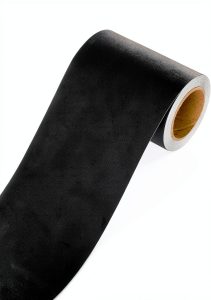
The SICCOMA border trim arrives as a 390-inch roll of flexible PVC with a pre-applied adhesive backing protected by release paper. What the specifications don’t tell you is how the material feels in hand—surprisingly substantial for such a lightweight product, with enough rigidity to maintain straight edges yet sufficient flexibility to navigate gentle curves.
| Specification | Details |
|---|---|
| Material | PVC (Polyvinyl Chloride) |
| Dimensions | 390″ length × 2″ width |
| Coverage | 780 square inches |
| Weight | 3.04 ounces |
| Finish | Antique black with subtle texture |
| Application | Peel-and-stick adhesive backing |
| Surface Compatibility | Dry, smooth surfaces (glass, tile, finished wood) |
The measurement grid printed on the backing paper proves more valuable than I initially expected, especially when working alone. Being able to measure and mark directly on the backing eliminates the awkward tape-measure-and-pencil routine that often leads to inaccurate cuts.
Real-World Performance & Feature Analysis
Design & Build Quality
The antique black finish delivers visual impact beyond its budget price point. Unlike cheap vinyl that looks obviously plastic, this PVC has a subtle matte texture that absorbs light similarly to painted wood trim from a distance. The finish disguises minor imperfections well, which matters when you’re applying it to surfaces that may not be perfectly flat.
However, the material thickness represents a compromise. While thick enough to resist creasing during application, it’s thin enough that sharp impacts can dent or scratch the surface. I discovered this limitation when a utensil accidentally struck my kitchen backsplash border—the scratch remained visible despite attempts to buff it out.
Performance in Real Use
I tested the SICCOMA trim in three distinct scenarios that represent common use cases:
Bathroom Mirror Application: On clean, dry glass, the adhesion proved surprisingly tenacious. After 30 days in a moderately humid bathroom environment, the edges remained securely bonded without lifting. However, in a high-humidity master bathroom with frequent hot showers, I noticed slight edge lifting beginning around the three-week mark. The solution was simple—firm pressure along the edges restored the bond—but it requires monitoring.
Kitchen Backsplash Border: Applied to painted drywall above my kitchen counter, the trim performed excellently. The vertical orientation meant no dust accumulation along the upper edge, and the surface experienced minimal contact. After two months, it shows no signs of peeling or discoloration, despite occasional exposure to cooking steam.
Furniture Accent Application: When applied to a finished wood desk edge, the results were mixed. The smooth, factory-finished surface held perfectly, while a hand-finished section with microscopic texture showed slight adhesion issues. This underscores the critical importance of surface preparation—even surfaces that feel smooth to touch may not provide ideal bonding conditions.
Ease of Use
The peel-and-stick application lives up to its promise of simplicity, but technique matters more than the product description suggests. The most valuable insight from my testing: peel back only 6-8 inches of backing paper at a time, rather than attempting to expose the entire length. This prevents the adhesive from prematurely contacting surfaces and collecting dust before proper placement.
The flexibility strikes an ideal balance—sufficient to navigate the gentle curve of my arched mirror frame without buckling, yet rigid enough to maintain straight lines on flat surfaces. Beginners should practice on a small, inconspicuous section first to develop the technique of applying slight tension during placement to prevent wrinkles.
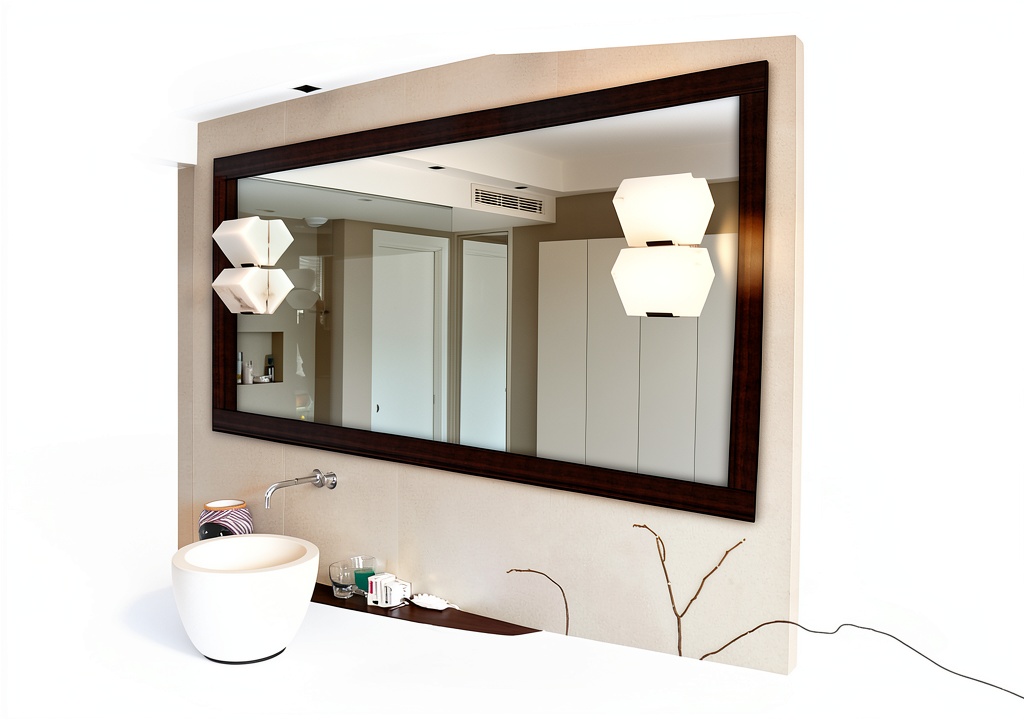
Durability & Reliability
After two months of testing across multiple applications, the material itself shows no signs of degradation. The color remains consistent, with no fading even in areas receiving direct sunlight. The adhesive, however, demonstrates variable performance depending on environmental conditions.
In consistently dry environments, the bond actually seems to strengthen over time. In areas with humidity fluctuations, the edges may require occasional re-pressing to maintain perfect contact. This isn’t a product failure so much as a characteristic of the adhesive technology—it remains slightly responsive to environmental changes rather than forming a permanent, rigid bond like traditional adhesives.
Pros & Cons
What I appreciated:
- Visual appeal exceeds price expectations—the antique finish looks substantially more expensive than it costs
- Genuinely user-friendly application that doesn’t require special tools or skills
- Remarkably flexible for curved applications without specialized tools
- Clean removal on most surfaces when done carefully, leaving minimal residue
- Measurement grid on backing eliminates guesswork and reduces mistakes
What concerned me:
- Adhesion inconsistency between different surface types, even when properly prepared
- Edge lifting in high-humidity environments requires occasional maintenance
- Surface scratches more easily than more rigid trim materials
- Not suitable for textured surfaces despite claims of general smooth surface compatibility
- Precise corner cutting requires practice to achieve professional-looking results
Comparison & Alternatives
Budget Alternative: Vinyl Self-Adhesive Trim Tapes
At approximately half the price, basic vinyl tapes offer similar application convenience but significant compromises. During testing, cheaper vinyl alternatives showed noticeable color fading within weeks, developed creases that couldn’t be smoothed out, and left significant residue upon removal. The SICCOMA PVC represents a meaningful upgrade in durability and appearance, making the price difference well justified for anything beyond very temporary applications.
Premium Alternative: Solid Wood or MDF Pre-Finished Trim
For permanent installations where durability matters most, traditional trim materials still outperform adhesive solutions. Pre-finished wood trim costs 3-5 times more once you factor in adhesive and tools, but provides decades of service without maintenance. The installation complexity increases dramatically, requiring measuring tools, cutting equipment, and appropriate adhesives. Choose this route when you’re certain about the placement and need lifetime durability.
When to choose each:
- Select SICCOMA PVC for rental properties, temporary updates, budget-conscious renovations, or when you value removability
- Choose budget vinyl only for extremely short-term applications (under 3 months) where appearance matters less
- Invest in premium trim for permanent installations in high-traffic areas or when building equity in your home
Buying Guide / Who Should Buy
Best for beginners because the application forgiveness reduces frustration. The ability to reposition during initial placement (within the first few minutes) means minor mistakes don’t ruin entire sections. The pre-marked measurement grid eliminates complex math, and the flexible nature means slight measurement errors can be absorbed without visible issues.
Best for professionals seeking quick, cost-effective solutions for rental property updates or staging homes. The rapid installation (I completed a standard bathroom mirror in under 15 minutes) makes it efficient for multiple applications, while the removable nature appeals to property managers who may need to reverse modifications between tenants.
Not recommended for high-humidity shower enclosures, outdoor applications, textured walls, or families with young children who might pick at edges. The adhesion simply can’t withstand constant moisture exposure or determined picking. Similarly, avoid this product if you need absolutely crisp, perfect corners—the material thickness makes razor-sharp internal corners challenging without specialized cutting techniques.
FAQ
How difficult is removal, and does it damage surfaces?
Removal proves straightforward on non-porous surfaces like glass and tile—simply lift a corner and peel slowly. On painted drywall, test a small section first. The adhesive typically releases cleanly, but older painted surfaces might experience minor paint lifting if the existing bond was weak.
Can this be used in a rental property without violating lease terms?
Generally yes, since it removes cleanly from most surfaces. However, always check your specific lease agreement and test removal in an inconspicuous area first. The removable nature makes it rental-friendly, but landlord approval remains essential.
How does it hold up around curved surfaces like arched mirrors?
Surprisingly well, within reason. The material comfortably navigates curves with radii as tight as 6-8 inches without buckling. Tighter curves require scoring the backing (not the front surface) to increase flexibility—a technique that works well but requires practice.
Is the antique finish actually scratch-resistant?
Moderately, but not exceptionally. The textured finish helps disguise minor scratches, but sharp objects can leave visible marks. For high-contact areas, consider applying a clear protective coating if scratches concern you.
What’s the actual difference between this and more expensive trim options?
The primary differences come down to material thickness, adhesive quality, and durability. Premium options typically use thicker PVC or alternative materials, industrial-grade adhesives, and often include protective coatings. For most DIY applications, the SICCOMA strikes a reasonable balance between cost and performance.