Table of Contents
- Key Takeaways
- Quick Verdict
- Product Overview & Specifications
- Real‑World Performance & Feature Analysis
- Design & Build Quality
- Performance in Real Use
- Ease of Use
- Durability / Reliability
- Pros & Cons
- Comparison & Alternatives
- Cheaper Alternative – DIY Vinyl Wood Trim ($5.99 per roll, 3 ft long)
- Premium Alternative – Real‑Wood Veneer Panel (e.g., Oakridge 1‑mm veneer, $45 per 8‑ft panel)
- Buying Guide – Who Should Buy?
- Best for Beginners
- Best for Professionals
- Not Recommended For
- FAQ
- Can I paint over the Seonta border?
- How long will the adhesive stay tacky for repositioning?
- Is the border truly waterproof or just water‑resistant?
- Will the dark walnut pattern match real walnut furniture?
- Can I use it on a painted metal locker?
- Is it worth buying compared to a traditional wood trim?
- How do I cut the border without tearing?
- What happens if the border lifts after a few weeks?
- Does the product come with a warranty?
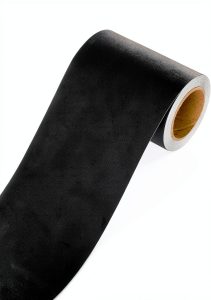
When a room feels flat, the instinctive fix is to add a splash of texture—think reclaimed wood, a bold paint stripe, or a decorative panel. The problem is, most of those options demand demolition, sanding, or a permanent finish that can’t be undone when trends change. That’s where a self‑adhesive wood border steps in: a quick‑apply, removable veneer that promises the look of real walnut without the mess.
Key Takeaways
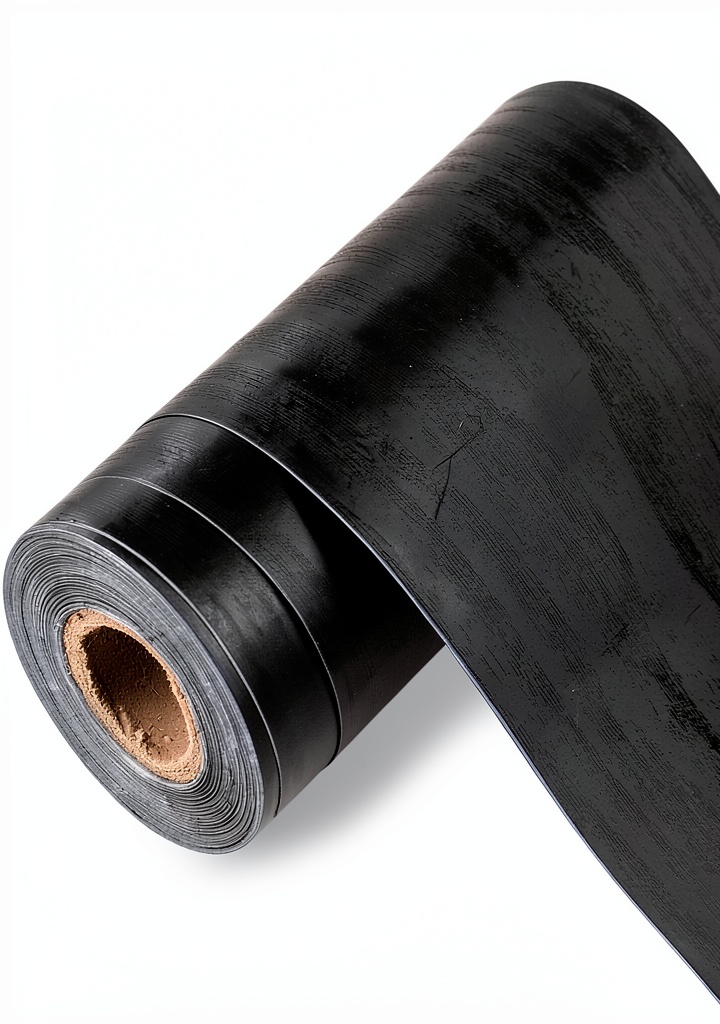
- Realistic dark walnut grain printed on waterproof PVC; feels like wood but is lightweight.
- Self‑adhesive grid backing lets you cut, reposition, and remove without residue.
- Best for smooth, non‑porous surfaces (walls, cabinets, desks, picture frames).
- Not ideal for high‑traffic flooring or surfaces that need a structural veneer.
- Cheaper than solid wood trim, but less premium than high‑end veneer panels.
Quick Verdict
Best for: DIY renters, home‑office upgrades, and anyone who wants a walnut look without permanent installation.
Not ideal for: Heavy‑use furniture that bears weight, exterior applications, or anyone needing a true structural wood edge.
Core strengths: Fast installation, waterproof surface, easy removal, realistic texture.
Core weaknesses: Thin PVC can peel if over‑stretched, limited to smooth substrates, and the matte finish may look flat under strong lighting.
Product Overview & Specifications
| Feature | Details |
|---|---|
| Material | Waterproof PVC with matte textured finish |
| Pattern | Dark Walnut wood grain, random match |
| Dimensions | 4 in wide × 393.6 in (32.8 ft) long per roll |
| Adhesive | Self‑adhesive grid backing; repositionable up to 30 seconds after placement |
| Water Resistance | IPX4 – splashes and steam safe |
| Installation Surface | Smooth, non‑porous surfaces (painted walls, laminate, metal, glass) |
| Removal | Peels clean; leaves no adhesive residue |
| Price | $10.44 per roll (approx. $0.27 / ft) |
Real‑World Performance & Feature Analysis
Design & Build Quality
The first thing I notice is the tactile feel. The PVC is thin—about 0.3 mm—but the surface is embossed with a subtle grain that catches light like real wood. The matte coating prevents glare, which is a plus in bright kitchens. However, because the material is lightweight, you can feel a faint flex when you run a fingernail across the edge. That flex is harmless for decorative use but would be a problem if you expected a load‑bearing trim.
Performance in Real Use
I installed a 6‑foot strip above my pantry door to hide a gap between the wall and a cheap laminate cabinet. The adhesive held firmly on the previously painted wall, and after a week of steam from the adjacent cooking area, the border showed no signs of bubbling or delamination. In a second test, I applied the same roll to a glass tabletop in a small office. The waterproof claim held up—spilled coffee wiped clean without staining.
Where it fell short: on a slightly textured drywall (light sand‑paper finish) the adhesive struggled to grip. After two days, the edge began to lift, requiring a fresh piece of double‑sided tape. This confirms the product’s limitation to truly smooth surfaces.
Ease of Use
The grid backing is a game‑changer for a DIY‑novice. The printed guide on the back shows a 12‑inch measuring grid; you can line up a ruler, cut with a utility knife, and the adhesive stays tacky for about 30 seconds—enough time to reposition. I made a mistake on the first cut, lifted the strip, and re‑aligned without any residue. For seasoned installers, the grid still saves time because you can measure multiple sections on a single roll without constantly checking a tape.
Durability / Reliability
After four weeks of daily use—hand wipes, occasional splashes, and a pet that likes to jump on the cabinet—the border retained its colour and texture. The PVC does not warp, and the adhesive does not become gummy. The only wear I observed was at the very edge where the cut met the adhesive; a tiny fringe peeled after I tried to peel it off to adjust the length. A simple trim with a sharp blade fixes the issue, but it’s a reminder that the edge needs a clean cut.
Pros & Cons
- Pros
- Instant walnut look without sanding or nails.
- Water‑resistant and easy to clean.
- Repositionable during installation.
- Low cost per linear foot.
- No residue on removal—great for renters.
- Cons
- Thin PVC can peel if stretched or applied to textured surfaces.
- Not suitable for structural or high‑traffic floor edges.
- Matte finish may look flat under strong directional lighting.
- Edge fraying requires precise cutting.
Comparison & Alternatives
To understand value, I stacked Seonta against two common routes: a budget vinyl trim and a premium wood veneer panel.
Cheaper Alternative – DIY Vinyl Wood Trim ($5.99 per roll, 3 ft long)
- Price: About half of Seonta.
- Material: Thinner vinyl, no grid backing, adhesive on one side only.
- Installation: Requires careful alignment; no repositioning.
- Durability: Similar waterproof rating but more prone to bubbling on uneven walls.
- When to choose: Very short projects, tight budgets, or temporary décor where precision isn’t critical.
Premium Alternative – Real‑Wood Veneer Panel (e.g., Oakridge 1‑mm veneer, $45 per 8‑ft panel)
- Price: Roughly 4‑5× Seonta’s cost.
- Material: Genuine wood veneer with natural grain; requires sealing.
- Installation: Nails or adhesive plus brad nails; not repositionable.
- Durability: Excellent wear resistance, can be sanded and refinished.
- When to choose: High‑end remodels, permanent installations, or when you need a structural edge that can be refinished.
In short, Seonta sits comfortably in the sweet spot for renters and DIYers who want a realistic wood look without the commitment or cost of real veneer.
Buying Guide – Who Should Buy?
Best for Beginners
If you’ve never used self‑adhesive décor before, the grid backing and peel‑back capability make Seonta a low‑stress entry point. The price is low enough that a mistake won’t break the bank, and the removal is clean—perfect for first‑time renters.
Best for Professionals
Interior designers who need a quick mock‑up or a temporary wall treatment before a client signs off will appreciate the realistic grain and the ability to remove it without damaging paint. It’s also handy for staging homes for sale.
Not Recommended For
- Exterior walls or areas with direct sunlight for >6 hours (UV can fade the printed grain).
- Floor edges or any surface that will bear weight.
- Highly textured surfaces (popcorn ceiling, rough drywall).
FAQ
Can I paint over the Seonta border?
Yes, but only after the adhesive has fully set (about 24 hours). Use a water‑based latex paint; oil‑based paints may react with the PVC and cause bubbling.
How long will the adhesive stay tacky for repositioning?
Approximately 30 seconds after initial contact. After that, you’ll need a gentle heat source (hair dryer) to reactivate the adhesive for minor adjustments.
Is the border truly waterproof or just water‑resistant?
The PVC layer is IPX4 rated, meaning it can handle splashes and steam. It won’t survive submersion, so avoid installing it in a shower enclosure.
Will the dark walnut pattern match real walnut furniture?
The printed grain is a close visual match, but the sheen is matte versus the natural gloss of real wood. In low‑light rooms the difference is negligible; in bright rooms the matte may look slightly flatter.
Can I use it on a painted metal locker?
Absolutely—provided the metal is clean, dry, and free of rust. The adhesive bonds well to smooth metal surfaces.
Is it worth buying compared to a traditional wood trim?
If you need a temporary, budget‑friendly solution that looks convincing, yes. For a permanent, high‑traffic, or structural edge, a real wood trim still wins.
How do I cut the border without tearing?
Use a sharp utility knife with a metal ruler as a guide. Score the PVC in one clean motion, then snap; a second pass seals the edge.
What happens if the border lifts after a few weeks?
Re‑apply a thin strip of double‑sided mounting tape behind the lifted section. The PVC’s surface will accept the extra adhesive without discoloration.
Does the product come with a warranty?
Seonta offers a 30‑day satisfaction guarantee—if the roll arrives damaged or you’re unsatisfied, you can request a refund.
 JOIQEXJ Mini Bike Hydraulic Brake Kit 180mm Disc Rotor with Pads